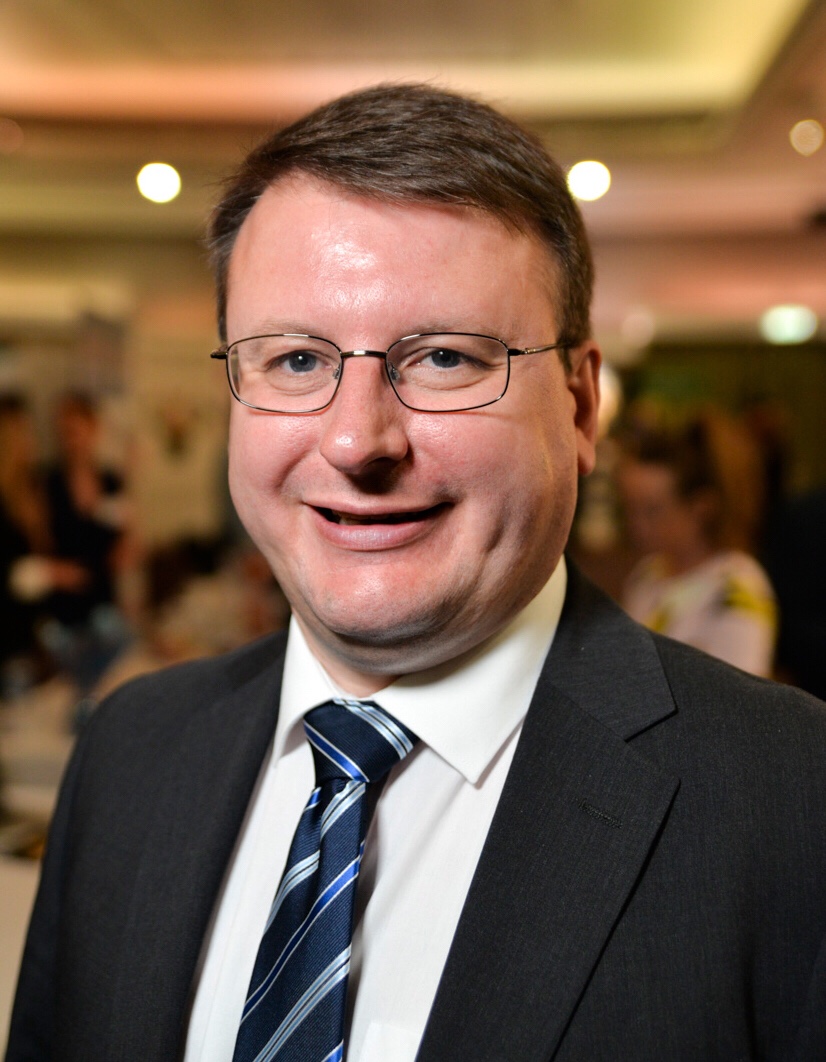
As your County Councillor for Shifnal, I recently attended the Finance and Improvement Overview and Scrutiny Committee meeting on June 8th, 2026. This meeting provided a critical look at where Shropshire Council stands following a very challenging 2025/26 financial year and what the path looks like for the year ahead.
The 2025/26 Financial Outturn
The final figures for the last financial year show the scale of the challenge we face. The Council recorded a net overspend of £49.428 million against the General Fund budget. This deficit was primarily driven by two factors: demand pressures in social care that exceeded expectations and an ambitious savings plan that proved largely undeliverable. In fact, only 29.6% (£17.722 million) of the intended savings were actually achieved last year.
To balance the books, the Council had to rely on £61.791 million in Exceptional Financial Support (EFS)—essentially government-approved borrowing—to cover structural deficits and the costs of the aborted North West Relief Road. While this support was necessary to keep our General Fund Balance at its minimum safe level of £5 million, it is a reminder that we are currently living on borrowed time and borrowed money.
The Need for Accelerated Reform
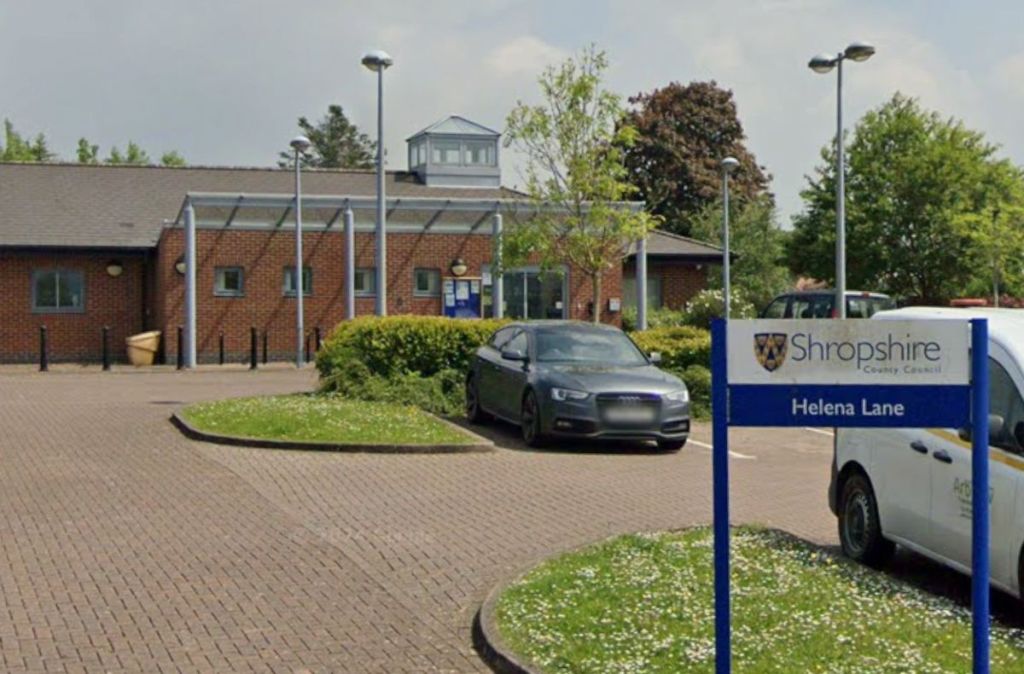
We must acknowledge that there are no easy answers. Difficult decisions, such as the proposed closures of the Helena Lane and Aquamira day services, are currently being weighed by the Cabinet. These proposals have met with significant public opposition, but they highlight the Council’s effort to move away from high-cost, underutilized building-based models toward more sustainable, community-integrated care.
However, as an opposition member, my focus is not just on what we cut, but on how we transform. We need to increase the pace of reform. While the current administration has established a more realistic savings target of “at least £5 million” for 2026/27, we must ensure that the new Budget, Transformation and Change Review Panel (BTCRP) provides the necessary rigour to prevent the delivery gaps we saw last year.
A Balanced View on Consultants
There has been much debate regarding the use of external consultants, specifically the partnership with PwC. While it is easy to be critical of the costs, the independent “lessons learned” review shows a more nuanced picture.
On the positive side, the consultants brought specialist capacity that the Council simply did not have in-house. Their work identified substantial savings: £19.1 million through service reviews and £4.4 million through supplier negotiations. More importantly, the Council believes it has realized circa £5 million in one-off savings and, crucially, £20 million per annum in recurring savings as a direct result of this work. When balanced against the £13 million in fees paid, the partnership delivered a net financial benefit to the Shropshire taxpayer that will continue to pay dividends in the years to come.
Improving Transparency and Governance
While the financial returns were positive, the governance and transparency of these contracts left much to be desired. The review revealed that:
- The work was often handled within a “very limited circle” of senior officers, reducing opportunities for wider organizational challenge.
- There was no evidence of a formal business case being produced before the decision to seek a single “Transformation Partner” was made.
- Direct scrutiny by elected members was limited, and the work was never subject to a dedicated internal audit during its duration.
Moving forward, the Council has adopted a “smart client” approach. This means we will no longer be “consultant-led.” Instead, our own officers will define the strategic direction, ensuring that any future external support is properly costed, transparently managed, and held to account by all members of the Council.
Looking Ahead
Our next major milestone is the July 2026 Medium Term Financial Plan (MTFP) update. This report will test our current assumptions against the actual spending patterns of the first quarter.
My priority remains ensuring that Shifnal’s interests are protected while pushing for a Council that is not just “stable,” but truly sustainable. We must reform faster, govern better, and ensure that every pound—whether spent on services or specialists—delivers maximum value for our residents.

